On November 18th, Spotify announced that it has acquired WhoSampled, a London-based company that for almost two decades acted as a community-driven database documenting how music borrows from itself through samples, covers, and remixes. The financial terms of this acquisition were not disclosed.
Founded in 2008 by Nadav Poraz, WhoSampled grew into an influential resource for discovering the hidden connections between songs. Over the years, its community cataloged more than 1.2 million songs, 622k samples, and 460k covers, becoming the Internet’s most extensive catalogue of its kind. Countless videos were made on the back of that community showcasing how some of the most famous songs of our time borrowed from the artists that came before.
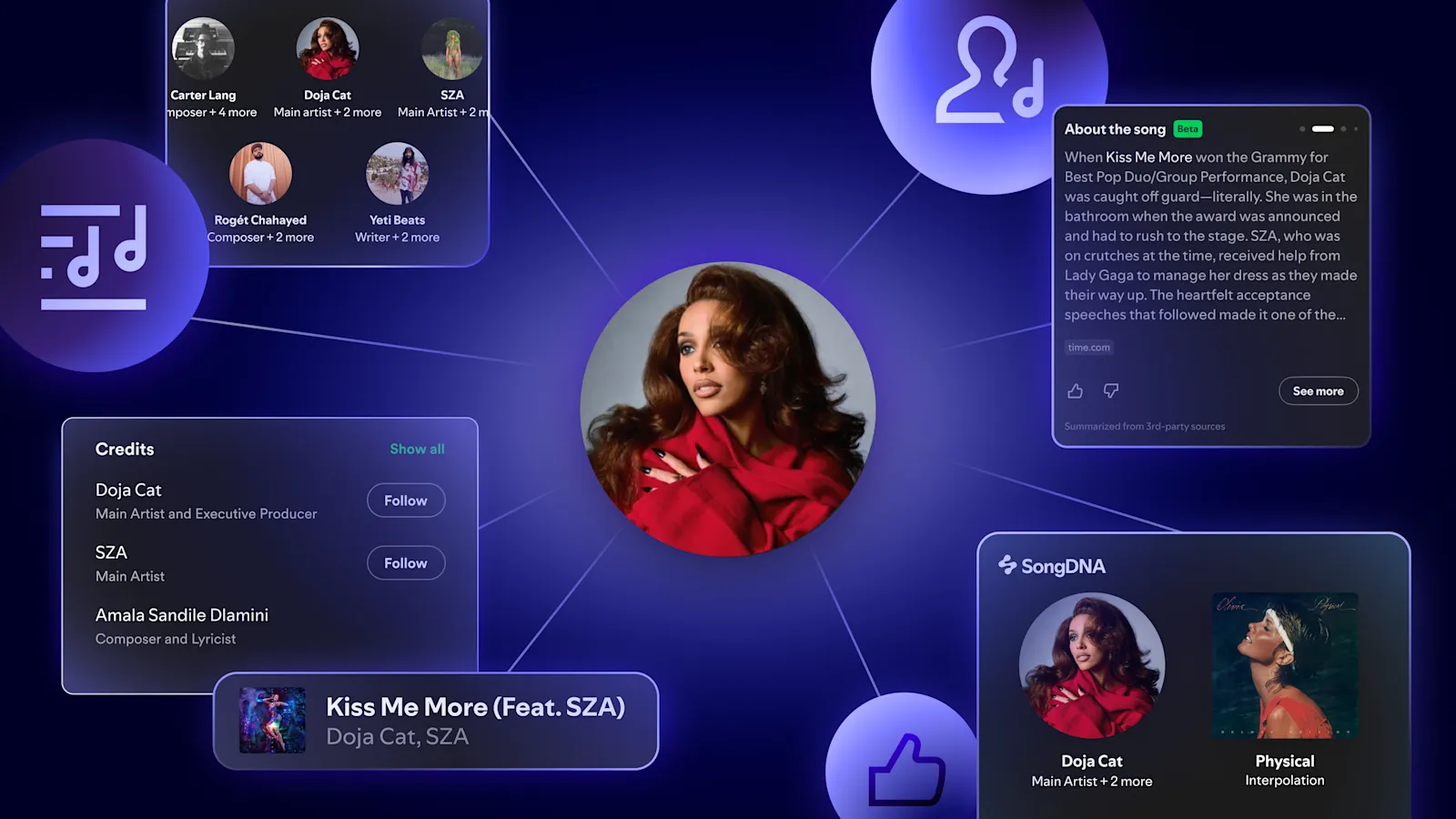
Now, the work done by its community belongs to the largest streaming service on the planet, a platform whose interests are, fundamentally, legal compliance, catalog control, and shareholder-friendly risk management. Spotify says the acquisition will power SongDNA, an interactive feature that maps connections between songs through collaborators, samples, and covers directly inside the app, set to launch some time next year.
It isn’t difficult to see how the ownership of such a database will turn into just another enforcement tool at the disposal of the music industry’s overtly litigious lawyers, hurting the artists in the process.
While this will hurt everyone, its effects will especially be felt in the electronic music and hip-hop scenes—the two genres that basically wouldn’t exist without borrowing the work of artists that came before and transforming it into something new. To learn more about why sampling is so vital to any creative process, we highly recommend watching this video:
While WhoSampled is set to remain functional as a separate product with some marginal improvements like faster moderation times and the removal of some of the existing paywalls, we cannot in good conscience recommend further contributing to its database.