The announcement that The Prodigy will headline the Grbavica Stadium in Sarajevo on August 13, 2026, represents a transformative moment in the city’s cultural history. As the first global band of this scale to perform in Sarajevo in decades, its mere announcement was enough to spark a frenzy among fans and make a statement that Sarajevo should not be ignored as a party destination. To understand why this performance carries such weight, one must first examine the significance of the band itself.
The Architect of Noise
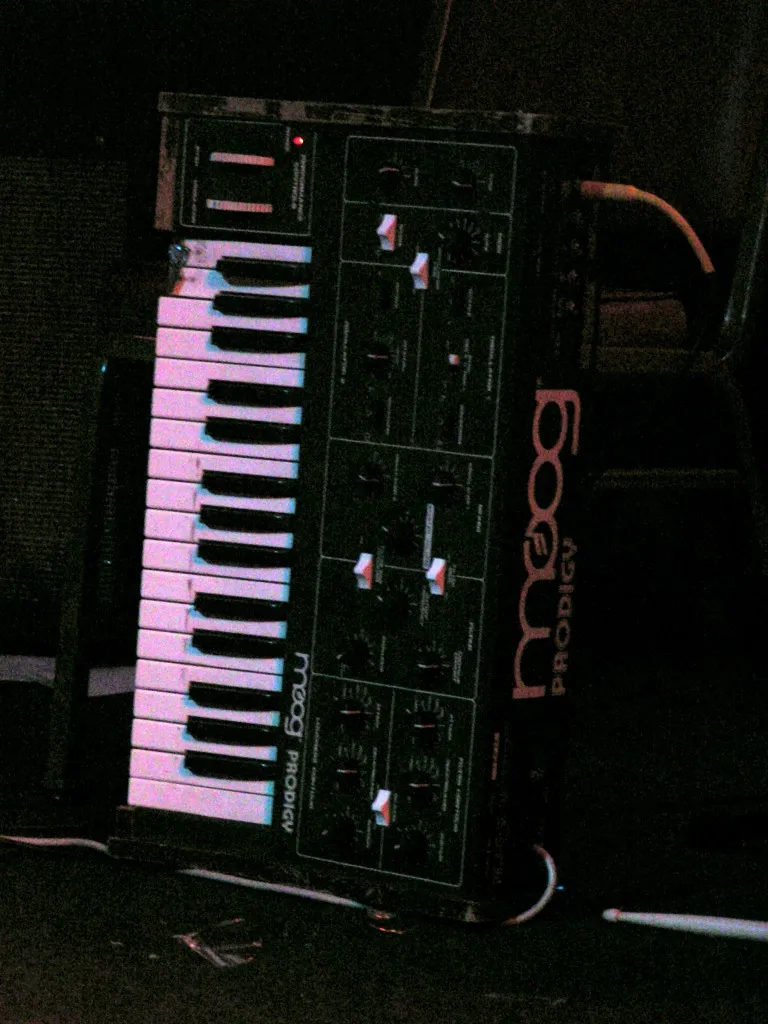
The Prodigy was founded in 1990 in Braintree, Essex, by Liam Howlett. The band’s name was derived from the Moog Prodigy synthesizer, the specific piece of hardware Howlett used to craft the group’s early identity.
Other band members included the MC and lead vocalist Maxim, as well as two dancers: Keith Flint and Leeroy Thornhill, whose significance as band members is going to rise in upcoming decades, with Keith Flint becoming an occasional vocalist and Leeroy Thornhill a keyboard player.
Their first UK hit, “Charly”, was released in 1991 and reached number 3 on the UK Singles Chart. Sampling an animated government PSA from 1970s, it wasn’t seen as a serious artistic statement by many at the time, and many critics made fun of the “toytown techno” style it inspired and many later followed. Liam’s solution to this problem was to never make another song like that again.
Howlett, a classically trained musician with roots in hip-hop, sought a harder, more industrial sound. By combining breakbeat, techno, jungle and hip-hop, the band created a sound that cannot easily be tied to any specific genre. This evolution established them as the “Godfathers of Rave” and the premiere dance act for the alternative masses.
Music For The Jilted Generation
The band’s cultural significance was solidified with the 1994 release of Music for the Jilted Generation. This record was a direct response to the UK’s Criminal Justice and Public Order Act of 1994, which criminalized unauthorized gatherings and “repetitive beats”. The album’s artwork—depicting a raver isolating a community from an encroaching police force—became a visual metaphor for the autonomy of the subculture.
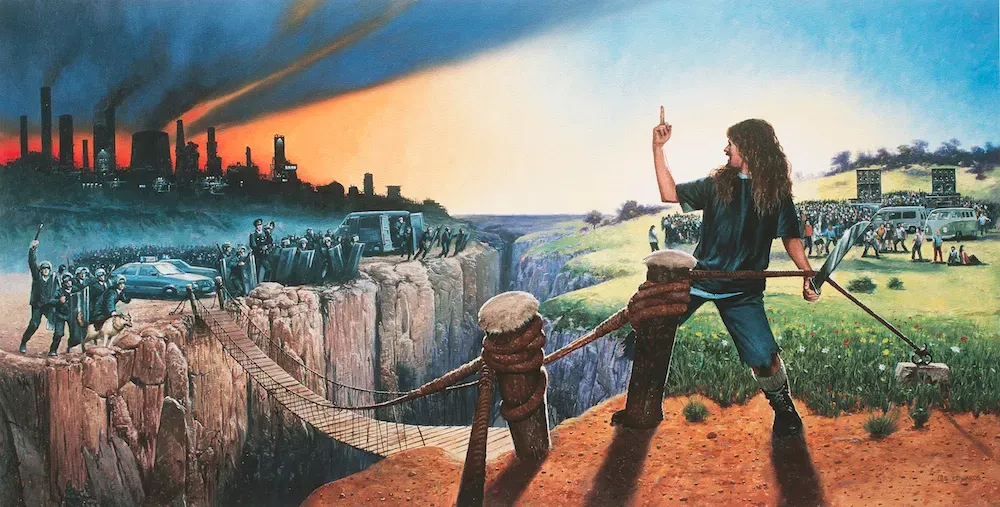
Tracks like “Their Law” and “Voodoo People” fused aggressive electronic rhythms with rock-influenced riffs, capturing a spirit of rebellion that resonated far beyond the UK. For youth across the globe, The Prodigy became the voice of those who felt excluded or “jilted” by the political and social mainstream.
In the late 1990s, The Prodigy reached global hegemony by defining the Big Beat genre alongside acts like The Chemical Brothers. However, what set them apart was their “electronic punk” aesthetic and the feral charisma of Keith Flint.
Firestarter
The 1997 album “The Fat of the Land” was a cultural behemoth, debuting at #1 in over 20 countries. Singles like “Firestarter” and “Breathe” introduced a hypermasculine, distorted intensity that bridged the gap between rave culture and heavy metal. This crossover allowed them to headline major festivals like Download, gaining approval from metalheads and ravers alike.
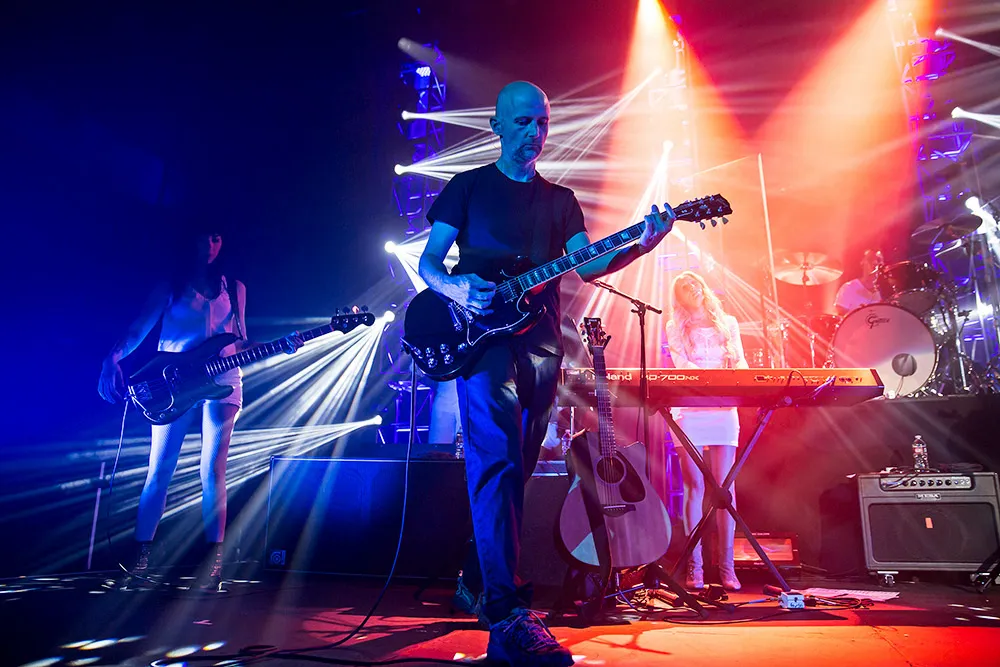
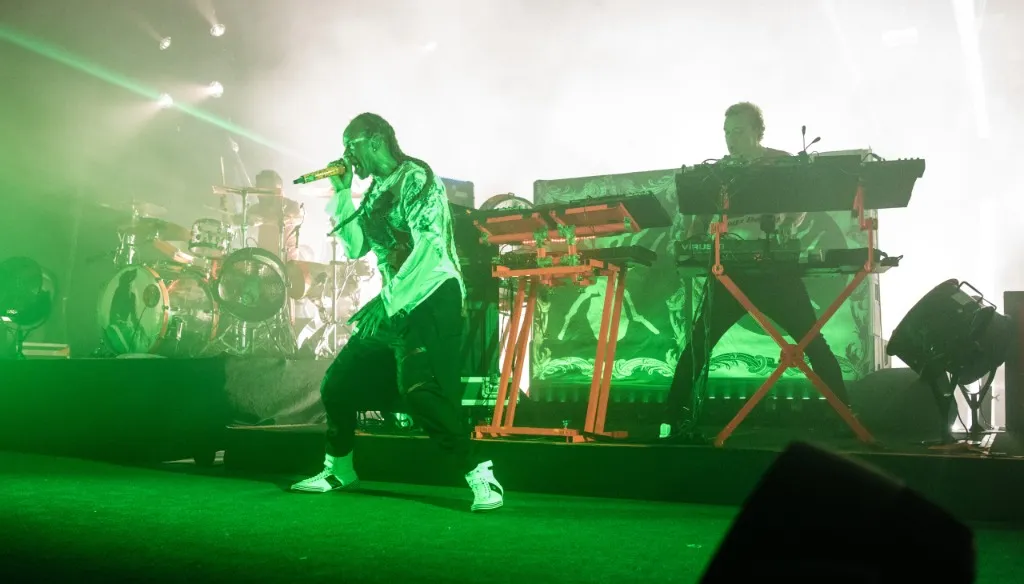
The Prodigy’s live reputation is built on chaos and technical mastery, in no small part thanks to the presence of Keith Flint. Keith, alongside his childhood friend Leeroy Thornhill, started as a dancer for the band. However, with the Prodigy’s third album, that changed, as he was the lead singer for some of the tracks on this album, effectively becoming a frontman of the band in the process.
Unfortunately, his story reached the bitter end, as he took his own life on the 4th of March, 2019. What followed was a years-long hiatus by the band. By 2022, they were back at touring, with Liam and Maxim still a fundamental part of the process since the band’s early beginning.
The Sarajevo Spectacle at Grbavica
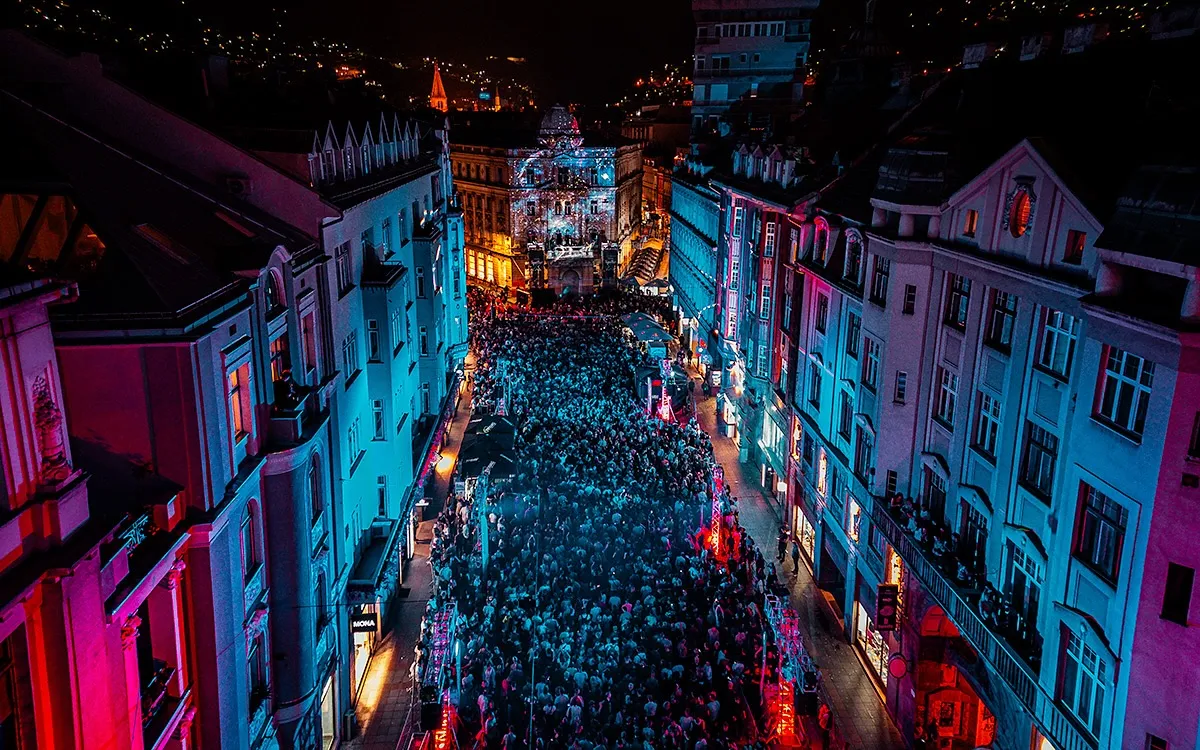
The 13th of August concert at Grbavica Stadium is an event generations have waited for. Organized by the Garden of Dreams collective, the show will utilise the stadium at full capacity, transforming it from a temple of football into a hectic music arena that is not for the faint of heart.
Sarajevo is a city that has endured the scars of war and political upheaval. The stadium itself was lit on fire during the Siege of Sarajevo. Now rebuilt, it rose from the ashes to become a symbol of resilience.
The city has frequently remained in the shadows of neighbouring capitals like Belgrade and Zagreb as far as major concerts are concerned. The Prodigy’s performance is a statement that Sarajevo is ready to reclaim its place on the regional map. It is a testament to the city’s enduring spirit and its capacity to host world-class events.
And who better to make that statement than a home-grown collective of dreamers that have for the past ten years worked tirelessly to bring many international DJs to the city, including the likes of Adriatique, Hot Since 82, Dixon, ARTBAT and many more. The Garden of Dreams has been instrumental in cultivating a vibrant electronic music scene in Sarajevo, and their collaboration with The Prodigy is a major milestone in their ongoing mission to elevate the city’s cultural profile to new, previously unimaginable heights.
Breathe with us together at Grbavica stadium one month form now, on the 13th of August, 2026. Tickets are available now at ulaznica.org.